The post White House Apology? Why Gensler’s Reported Words Could Change XRP’s Future appeared first on Coinpedia Fintech News
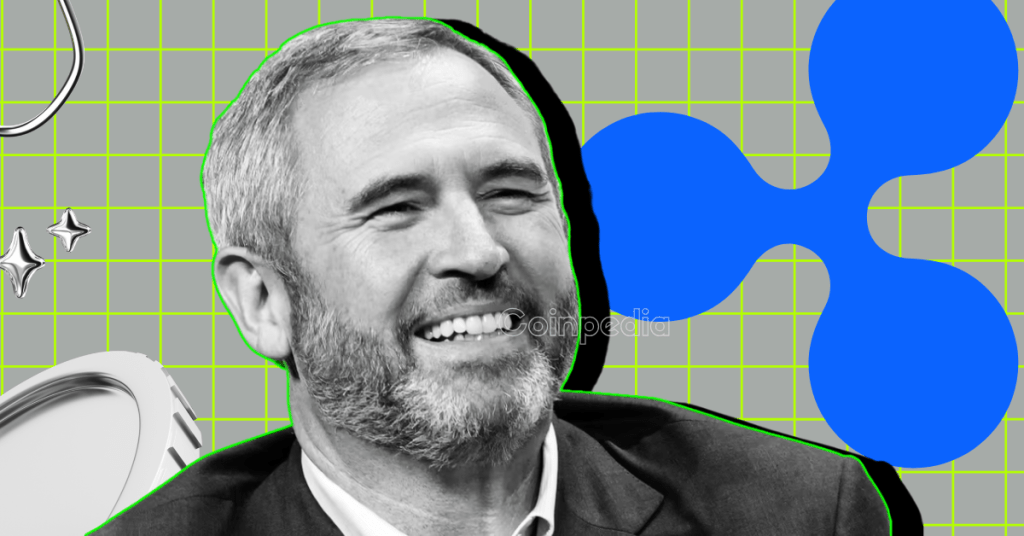
In a moment few in the crypto industry expected, former SEC Chair Gary Gensler allegedly offered a personal apology to Brad Garlinghouse over the agency’s long-running lawsuit against Ripple.
The revelation came during remarks delivered at the XRP Australia Sydney 2026 conference. According to Garlinghouse, the encounter took place during a private interaction at the White House.
“He comes up to me and says, sorry,” Garlinghouse recounted in a video clip from the event. “He’s like, ‘Oh gosh, wait, no, I’m sorry. I was wrong. And you guys have done an incredible job.’ It was kind of weird that it happened at the White House.”
If accurate, the statement marks a dramatic turn in one of crypto’s most consequential regulatory battles.
From Lawsuit to Apology
The SEC filed its lawsuit against Ripple in December 2020, alleging that XRP had been sold as an unregistered security. The case triggered widespread uncertainty across the digital asset sector and led to major exchange delistings. XRP’s price plunged, and the token spent years navigating legal and reputational headwinds.
Gensler, who took over as SEC chair after the case was initiated, became closely associated with the agency’s broader crackdown on crypto markets. Under his leadership, enforcement actions expanded, and regulatory scrutiny intensified.
That is why the reported apology carries weight. Sitting or former regulators rarely acknowledge missteps publicly, especially in high-profile enforcement matters. If Gensler did indeed tell Garlinghouse “I was wrong,” it signals more than a personal gesture. It suggests a shift in tone at the highest levels of financial oversight.
A Changed Regulatory Climate
Since Gensler’s departure, Washington’s approach to digital assets appears to be evolving. Lawmakers have pushed for clearer market structure frameworks, and discussions around digital asset classification have gained bipartisan traction.
For Ripple and XRP holders, the apology, whether symbolic or substantive, is being interpreted as institutional validation. The lawsuit that once cast a shadow over XRP now looks, in hindsight, like a chapter closing rather than a threat lingering.
Garlinghouse framed the moment as proof that utility ultimately prevails. He told attendees that if Ripple continues focusing on real-world use cases and cross-border payments infrastructure, he remains confident about the company’s direction.
What This Means for XRP in 2026
The bigger question now is whether this turning point could position XRP for a stronger cycle in 2026.
Legal clarity has historically played a major role in XRP’s price movements. When court rulings favored Ripple during the legal battle, the token responded sharply. Regulatory overhang has long been cited as one of the primary factors limiting sustained upside.
If that overhang is truly gone, the narrative around XRP shifts. Instead of surviving a lawsuit, the token re-enters the conversation as one of the few major cryptocurrencies to withstand direct federal scrutiny and continue operating globally.
Market performance will still depend on broader crypto conditions, liquidity cycles and Bitcoin’s direction. But with the legal cloud lifting and policy discussions becoming more structured, XRP could find itself back in focus during the next expansion phase.